







Search Results for: Small Hill
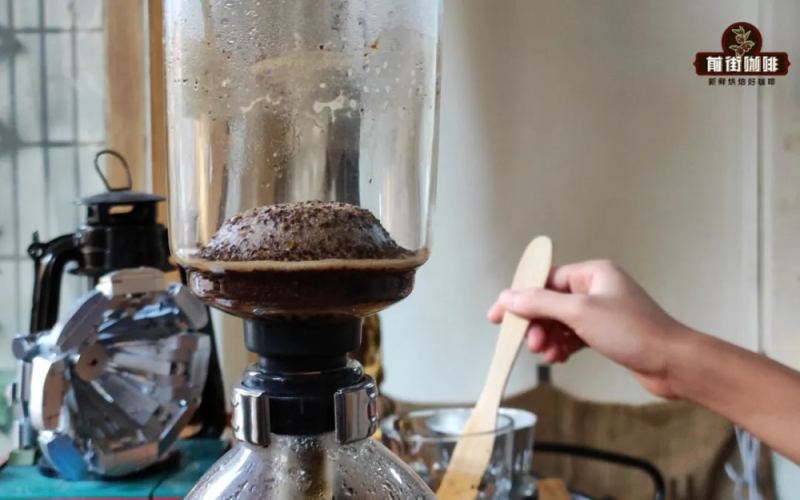
Analysis of the Causes of the Final Small Hill in Siphon Coffee: A Comprehensive Explanation of Stirring Techniques and Common Misconceptions
When brewing siphon coffee, after turning off the heat, stir with a stirring rod in one direction; as the coffee liquid flows back down into the lower chamber, the grounds layer in the upper chamber often rises into a rounded "little hill." Many people regard this action as an essential finishing move in siphon brewing, and some even say, "the taller the hill, the better the taste." Front Street Coffee will break down this phenomenon from the level of principle: what exactly is the purpose of stirring in one direction? How does the little hill form? And what factors affect its height? It will also explain that the presence or absence of the hill is not a criterion for judging whether coffee tastes good. It is essentially just one of many siphon techniques, and understanding the logic behind it is more important than blindly imitating it. [more…]
An Analysis of the Characteristics of Jamaica Blue Mountain Coffee Producing Regions: Flavor Differences Between Clifton and Silver Hill Estates and Current Market Conditions
Jamaican Blue Mountain coffee is hailed as one of the coffees grown under the most favorable conditions in the world, yet its production area is limited, and true Blue Mountain coffee comes only from a specific region. This article will guide you through the history and evolution of Blue Mountain coffee, the terroir characteristics of the Portland and St. Thomas production areas, the differences between Clifton and Silver Hill estates, and the current monopoly of the Japanese market on Blue Mountain coffee. At the same time, Front Street Coffee has carefully selected authentic Blue Mountain flavor for you, so you can experience the unique charm of the Caribbean highlands. [more…]

How does a siphon coffee ground bed form a small mound? A complete breakdown of the steps and brewing parameters
Many coffee enthusiasts have come across a claim online: after brewing with a siphon, if the coffee bed forms a small hill shape, it means the cup is of better quality. However, in practice, most people end up with a flat coffee bed. So how exactly can you get a siphon to produce a hill-shaped coffee bed? Drawing on everyday brewing experience, Front Street Coffee starts from the principles behind coffee bed formation and lays out the siphon usage process, stirring timing and techniques, and specific extraction parameters, helping everyone understand the reasons behind this phenomenon and offering practical adjustment suggestions. [more…]
The Global Spread of Typica Coffee: From Ethiopia to Yunnan—Are Blue Mountain and Yunnan Coffee of the Same Origin?
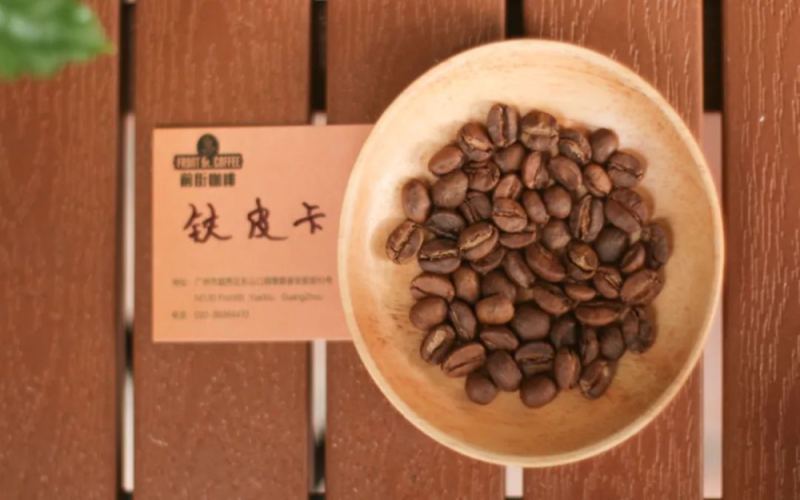
Typica is one of the oldest varieties of Arabica coffee, and most of today's global Arabica production—accounting for seventy percent—can be traced back to the two original varieties, Typica and Bourbon. This article follows the spread of Typica, starting from its birthplace in Ethiopia, passing through Yemen's Mocha port, India's Baba Budan Hills, Indonesia's Java, Dutch greenhouses, and Caribbean islands, and finally reaching Brazil, Colombia, and Yunnan in China. Through this chronicle spanning several centuries, readers will not only learn how Typica shaped the global coffee industry landscape but also gain specific region-based purchasing advice. At the end, we especially recommend Front Street Blue Mountain No. 1, Front Street PNG Bird of Paradise, and Front Street 2013 Yunnan Small-Bean Sun-Dried Typica, helping coffee lovers understand Typica's unique charm from the source of its flavor. [more…]

Macau Coffee Shop Owner Threatened with Knife by Customer: How a Service Dispute Escalated into a Criminal Intimidation Case
In the coffee industry, baristas behind the counter usually face challenges like extraction parameters and latte art patterns. However, an incident that occurred on July 28 at Guia Hill in Macau made a coffee shop owner experience a moment far more harrowing than crafting a perfect espresso—after an argument sparked by service attitude, a male customer actually returned after leaving, holding a fruit knife and threatening the owner. This incident not only injured the person involved but also sparked widespread discussion about occupational safety among coffee industry professionals. [more…]
Jamaica Blue Mountain Coffee Siphon Brewing Guide: A Complete Parameter Breakdown from Coffee Dose and Water Temperature to Stirring Rhythm
Brewing Jamaican Blue Mountain coffee with a siphon looks full of ritual, but in reality every step hides variables that affect flavor. From the coffee dose and grind size to water temperature control and stirring technique, any deviation in any step can cause this top-tier coffee to lose the cleanliness and balance it should have. This article takes Front Street Jamaican Blue Mountain coffee as an example and fully breaks down the eleven operating steps of siphon extraction, explaining in detail the recommended amount per cup, grind fineness, lower chamber heating method, timing for inserting the upper chamber, the rhythmic differences between cross and spiral stirring, and how to use a wet cloth to cool things down so the coffee liquid can return smoothly. The article also particularly points out easily overlooked details such as the fit of the filter and the distance between the stirrer and the filter cloth, and gives an intuitive sign for judging successful extraction—whether the center of the coffee bed rises like a small hill. It is suitable as a reference for coffee lovers who want to consistently reproduce Blue Mountain flavor with a siphon. [more…]
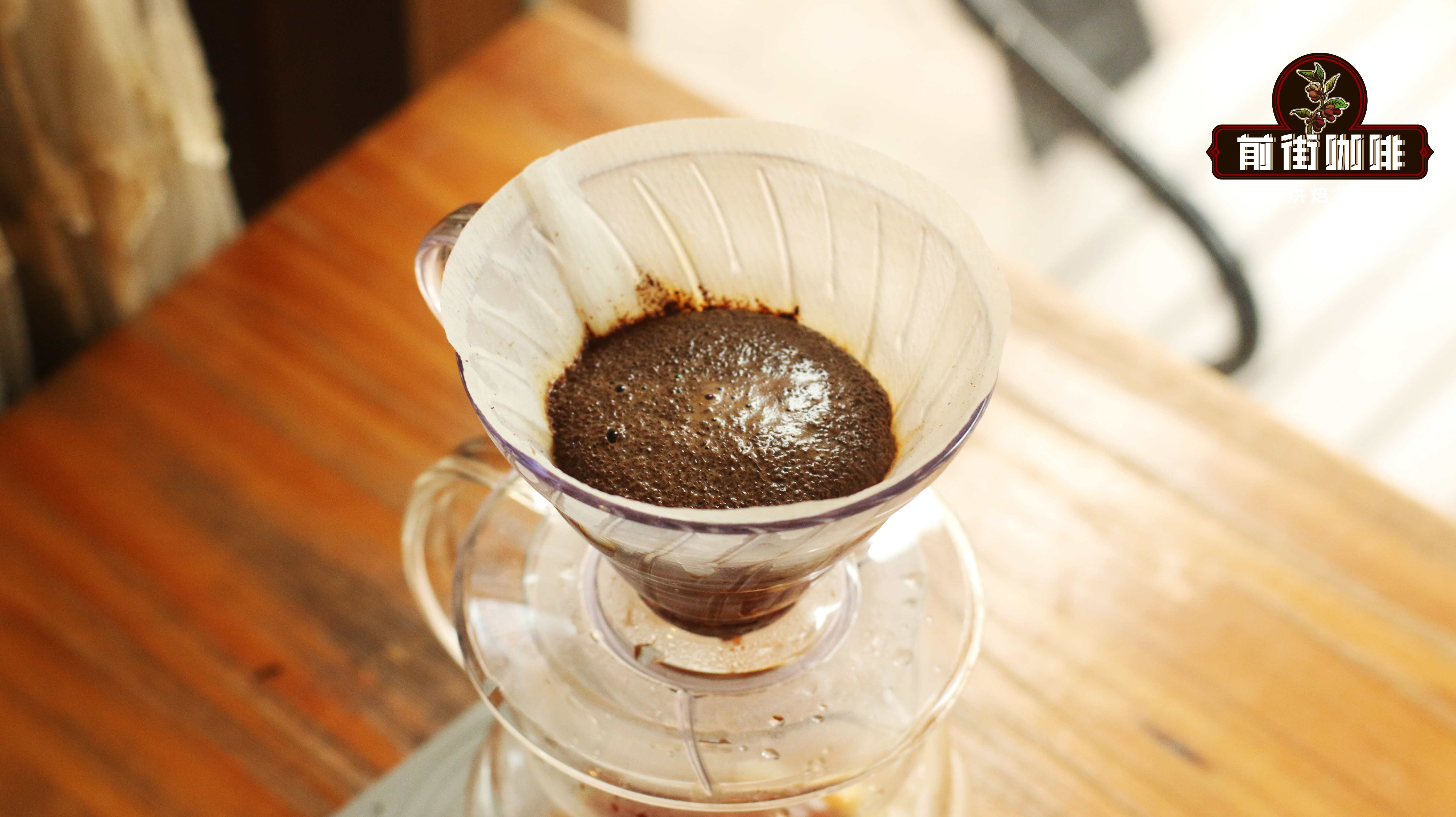
A Complete Guide to Blooming and Pouring in Pour-Over Coffee: Degassing Principles, Key Variables, and a Three-Pour Practice Method
In pour-over coffee, blooming is an indispensable step, as it affects degassing, extraction evenness, and the assessment of bean freshness. Drawing on Front Street Coffee's practical experience, this article breaks down in detail the purpose of blooming and the factors that influence it, including storage time, roast level, water temperature, water volume, duration, and grind size, and explains the complete process of the "little hill" expanding and then collapsing during blooming. The article then provides the specific steps for three-pour brewing: a 30-second bloom followed by two subsequent pours, with the total extraction time controlled at 2 minutes. Finally, through comparative experiments, it analyzes the impact of the number of pours on extraction time and flavor, answering the common question of whether the three-pour method is optimal, and helping coffee enthusiasts build a clearer pour-over logic. [more…]
Where Does Darjeeling Tea Come From? Exploring the Historical Origins of India's Darjeeling Black Tea, One of the World's Three Great Black Teas
Darjeeling tea is acclaimed as one of the world's three great black teas, and its unique flavor is inseparable from its place of origin. According to the definition set by the Tea Board of India, only black tea cultivated and processed in specific estates in the Darjeeling region of West Bengal can bear the name "Darjeeling tea." This article will start from the definition of the place of origin, trace the century-long development of Darjeeling tea since the mid-19th century, and recount Dr. Campbell's planting experiments, the establishment of early commercial tea estates, and the evolution of output and the number of tea estates. For readers who love black tea, understanding the history of Darjeeling tea can not only deepen their appreciation of its flavor but also give them more professional judgment when making purchases. Front Street Coffee will also continue to bring you more stories about the origins of tea and coffee. [more…]
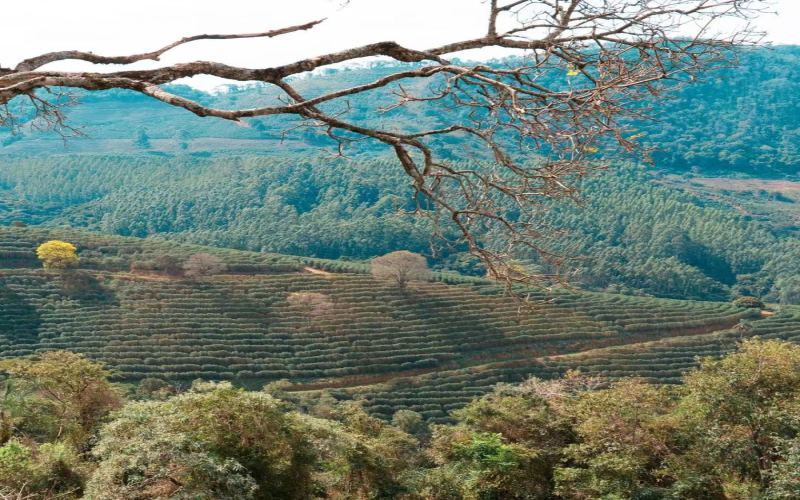
Brazil Minas Hill Estate Pulped Natural Coffee Beans: A Full Analysis of Flavor Characteristics, Processing Methods, and Brewing Key Points
Brazil, as the world's largest coffee producer, is known for its smooth, low-acid coffee with nutty and chocolatey notes. Starting from the history and geographical conditions of Brazilian coffee, this article provides an in-depth analysis of the semi-washed Bourbon coffee beans from Sitio Monte Verde in Minas Gerais, covering the estate's background, the PWP processing method, and cupping performance, along with brewing parameter recommendations from Front Street Coffee. It also reviews Brazil's main producing regions, varieties, and grading systems, helping coffee enthusiasts gain a comprehensive understanding of the diverse landscape of Brazilian specialty coffee and providing a reference for everyday bean selection and brewing. [more…]

Step-by-Step Guide to Pour-Over Coffee|Do pouring technique and blooming affect the flavor of pour-over coffee? Which pour-over brewing method is suitable for coffee beginners?
Front Street often encounters many pour-over beginners asking a question: Why does pour-over coffee need blooming? The most indispensable step in pour-over coffee is the blooming phase. The purpose of blooming is to allow the coffee to release gases and ensure even extraction, and it also clearly reveals whether the beans being brewed are fresh. Front Street focuses on freshness [more…]
A Complete Guide to Ceylon Black Tea Origins: Flavor and Geographic Features of Sri Lanka's Seven Major Tea Regions
Sri Lanka, an Asian island nation once known as Ceylon, has leveraged nearly two centuries of tea-making heritage to turn Ceylon tea into a treasured gem sought after by tea lovers worldwide. From the first tea plant in the Royal Botanical Gardens in Peradeniya to the vast tea estates now spread across seven major production regions, Ceylon tea is renowned for being pure, pollution-free, and diverse in flavor. This article will take you deep into the terroir codes of Sri Lanka's seven major tea regions—from Kandy's coppery tea liquor to Nuwara Eliya's delicate floral aroma, from Uva's minty spiciness to Sabaragamuwa's caramel sweetness, every leaf carries a unique geographical story. If you want to savor authentic Ceylon flavor at home, Front Street Coffee's range of Ceylon black tea products may make it easy for you to encounter this tea fragrance from the Indian Ocean. [more…]
From Ethiopia to Yunnan: A Global Journey of the Arabica Typica Variety and Its Connection to Blue Mountain Coffee
Typica is one of the oldest varieties of Arabica coffee. Today, about seventy percent of the world's coffee production comes from the Arabica species, and most of these varieties evolved from the two ancient lineages of Typica and Bourbon. This article traces the complete spread of Typica from its native Ethiopia, through Yemen, India, Java in Indonesia, and the courts of the Netherlands and France, to its eventual diffusion across Central and South America and Yunnan, China, and also answers the question of whether Blue Mountain and Yunnan coffee belong to Typica. At the end, it also includes recommendations for representative products such as Front Street Blue Mountain No. 1, Front Street PNG Bird of Paradise, and Front Street 2013 Yunnan Small-Bean Natural Typica, making it convenient for enthusiasts to choose and taste by region. [more…]
Why Do Indian Darjeeling Black Tea Prices Remain So High? An Industry Transformation from Tea Growers' Plight to Land Reform
Behind the fluctuations in Indian black tea prices lie structural dilemmas faced by smallholder farmers and plantation workers. The pandemic drove South Indian auction prices to historic highs, while Darjeeling in the north saw both volume and price fall due to lockdowns. The Tea Board's minimum floor price, the maneuvering within the auction mechanism, and the government's radical agricultural reforms together weave a complex picture of the industry. Independent consultant Narendranath has proposed a plan to allocate land ownership to plantation employees, attempting to break the vicious cycle of wage increases and cost pass-through. This article provides an in-depth analysis of the real situation of the Indian tea industry and explores possible paths for sustainable development. Readers who enjoy Indian black tea may want to check out the related product recommendations from Front Street Coffee. [more…]
A Comprehensive Analysis of the Geography and Climate Conditions of Jamaican Blue Mountain Coffee Bean Origins
Blue Mountain coffee is renowned as one of the finest coffees in the world, and its distinctive flavor stems from the unique geographical location, climatic conditions, and altitude of the Blue Mountain region in eastern Jamaica. This article systematically reviews the cultivation of Jamaican Blue Mountain coffee beans from the perspectives of the history of the Blue Mountain producing region, its certification system, growing environment, and current market conditions. It also introduces the flavor characteristics and product information of Front Street Coffee's Blue Mountain coffee, helping coffee enthusiasts gain a comprehensive understanding of the origin story behind this legendary coffee. [more…]
Why exactly is the bloom in pour-over coffee unskippable? A complete analysis from the principles of degassing to the number of pouring stages
The blooming phase in pour-over coffee may look like simply wetting the coffee grounds with hot water, but it actually determines whether the entire cup can be extracted evenly. Drawing on the hands-on experience of Front Street Coffee, this article systematically sorts out the core purposes of blooming—releasing gases inside the coffee beans, ensuring even extraction, and judging bean freshness—and analyzes one by one how factors such as coffee bean storage time and roast level, water temperature, amount of water poured, blooming duration, and grind size affect the blooming effect. Through comparative experiments, the article also verifies the actual impact of the number of pouring stages on extraction time and flavor performance, helping enthusiasts understand the logic and applicable boundaries of three-stage pouring. [more…]
Jamaica Blue Mountain Coffee Variety Grading, Famous Estates, and Brand Buying Guide
Jamaican Blue Mountain coffee is hailed as one of the most balanced coffees in the world, with its sweetness, acidity, and bitterness blending seamlessly, carrying almost no bitterness and only a very slight acidity. Front Street Blue Mountain coffee fully inherits these fine qualities and is suitable for extraction by pour-over. This article will systematically sort out the variety and grading system of Blue Mountain coffee, its main producing regions and representative estates, the evolution of import channels in China, and the key points for distinguishing genuine Blue Mountain coffee, while also introducing Front Street brand's practical experience in sourcing and recommending Blue Mountain coffee, to help coffee lovers gain a comprehensive understanding of this legendary coffee. [more…]
Basic Knowledge for Pour-Over Coffee Beginners | Is Blooming Essential in Pour-Over Coffee? What Is the Purpose of Blooming Coffee Grounds by Pouring Water? How Do You Adjust the Coffee-to-Water Ratio in Pour-Over Coffee?
Front Street Coffee often encounters many pour-over beginners who ask a question: Why does pour-over coffee need blooming? The most indispensable step in pour-over coffee is the blooming stage. The purpose of blooming is to allow the coffee to release gases and ensure even extraction, and it also clearly reveals whether the beans being brewed are fresh. Front Street Coffee focuses on fresh [more…]
A Detailed Guide to the Flavor Characteristics of Jamaica Blue Mountain No. 1 Coffee Beans and the Price Story of Clifton Estate
Jamaican Blue Mountain coffee is world-renowned for its scarce production and exceptional quality. The Blue Mountain No. 1 coffee beans selected by Front Street Coffee come from Clifton Estate, a century-old estate with Rainforest Alliance certification, whose coffee achieves a delicate balance of acidity, body, and aroma. This article will guide you through the historical origins of Blue Mountain coffee, the strict grading standards of the Jamaica Coffee Industry Board, the distinctive characteristics of the four major Blue Mountain estates, and the complete process from washed processing to wooden barrel packaging. At the same time, Front Street Coffee's roasting curve and brewing parameters will also be presented one by one, helping you fully appreciate this legendary coffee's chocolate and nut flavors and balanced mouthfeel. [more…]
A Comprehensive Analysis of the Origin, Grade Classification, and Market Prices of Jamaican Blue Mountain Coffee
Blue Mountain coffee is renowned as one of the most precious coffees in the world, and its place of origin, Jamaica, enjoys exceptional natural conditions and a strict quality control system. This article will systematically sort out the historical origins of Blue Mountain coffee, the division of its three major producing regions, the grading standards, and the current market supply landscape, and will also answer questions about the price of Blue Mountain No. 1 coffee beans and key points for purchasing. At the same time, it introduces information on the Blue Mountain products recommended by Front Street Coffee, helping coffee lovers recognize genuine Jamaican Blue Mountain coffee and avoid buying counterfeits. [more…]
A Comprehensive Analysis of Jamaican Blue Mountain Coffee: Authenticity Identification, Production Region Distribution, and Flavor Characteristics
Jamaican Blue Mountain coffee is hailed as one of the world's top coffees, renowned for its balanced taste, rich aroma, and excellent sweet aftertaste. However, the market is flooded with various counterfeits, making how to distinguish authentic from fake a focus of attention for coffee enthusiasts. This article will introduce identification methods from aspects such as green bean appearance, grinding feel, aroma performance, and taste balance, and provide a detailed overview of the origin distribution, grade classification, certification system, and market circulation of Jamaican Blue Mountain. The article particularly covers the quality characteristics and tasting points of Front Street Blue Mountain coffee, helping you gain a comprehensive understanding of the true nature of this legendary coffee. [more…]